Everything you need to know about hand saws for wood
A handsaw is a manually operated tool used to cut materials such as wood, metal, plastic, and other materials. Depending on the type and design of the saw, a handsaw can be used for heavy-duty but very delicate and precise work.
How does a saw work?
During sawing, the teeth of the sawblade penetrate the material and remove fine chips, creating a groove or cutting line. Depending on the type of saw, this cutting process occurs either continuously or in discrete movements.
Types of hand saws
There are different types of hand saws optimized for different purposes. We've listed them here.
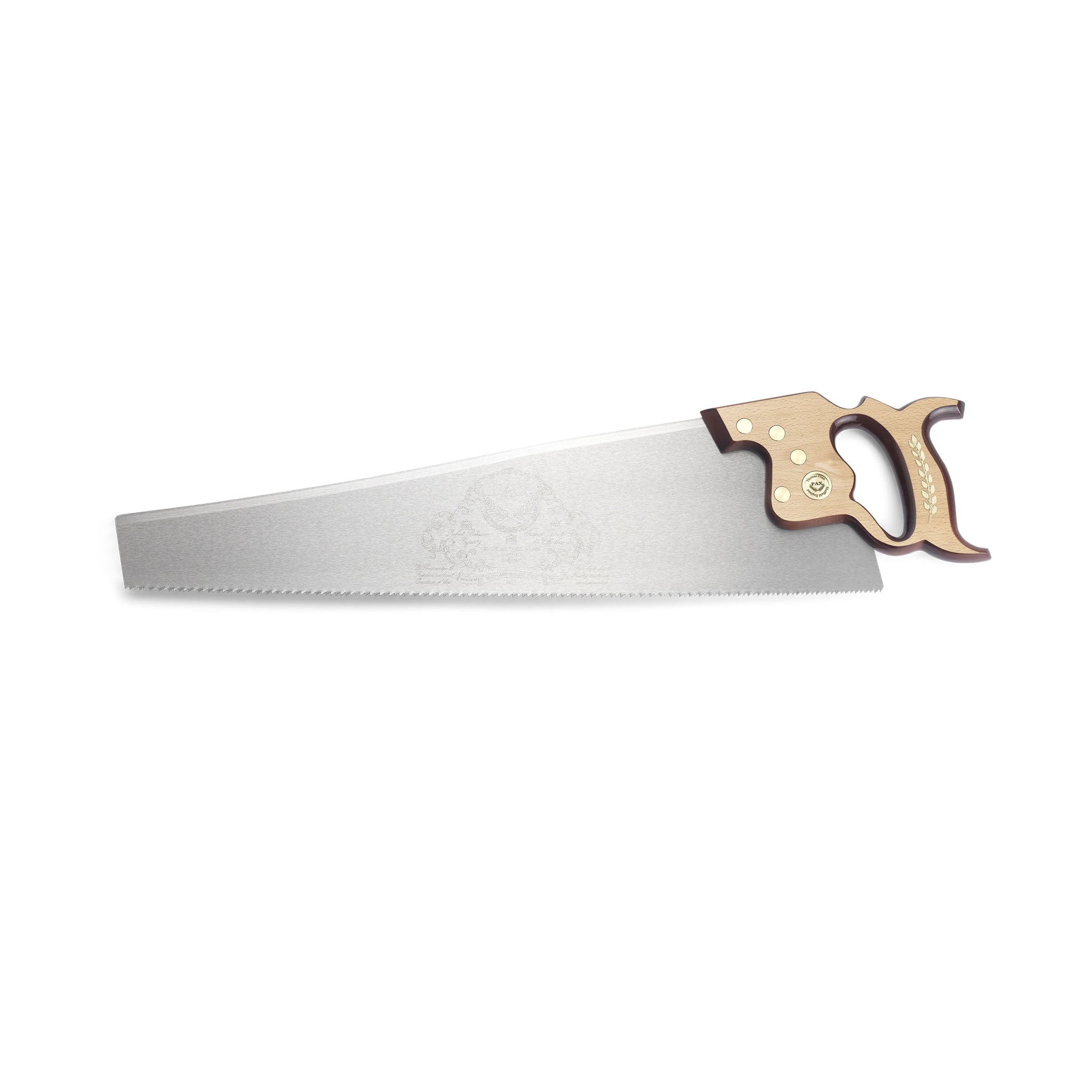
The foxtail saw
The foxtail saw is the classic hand saw and is suitable for cutting logs. The saw blade is wide and typically between 40 and 60 cm long. The saw can be used for either cross or rip cuts.
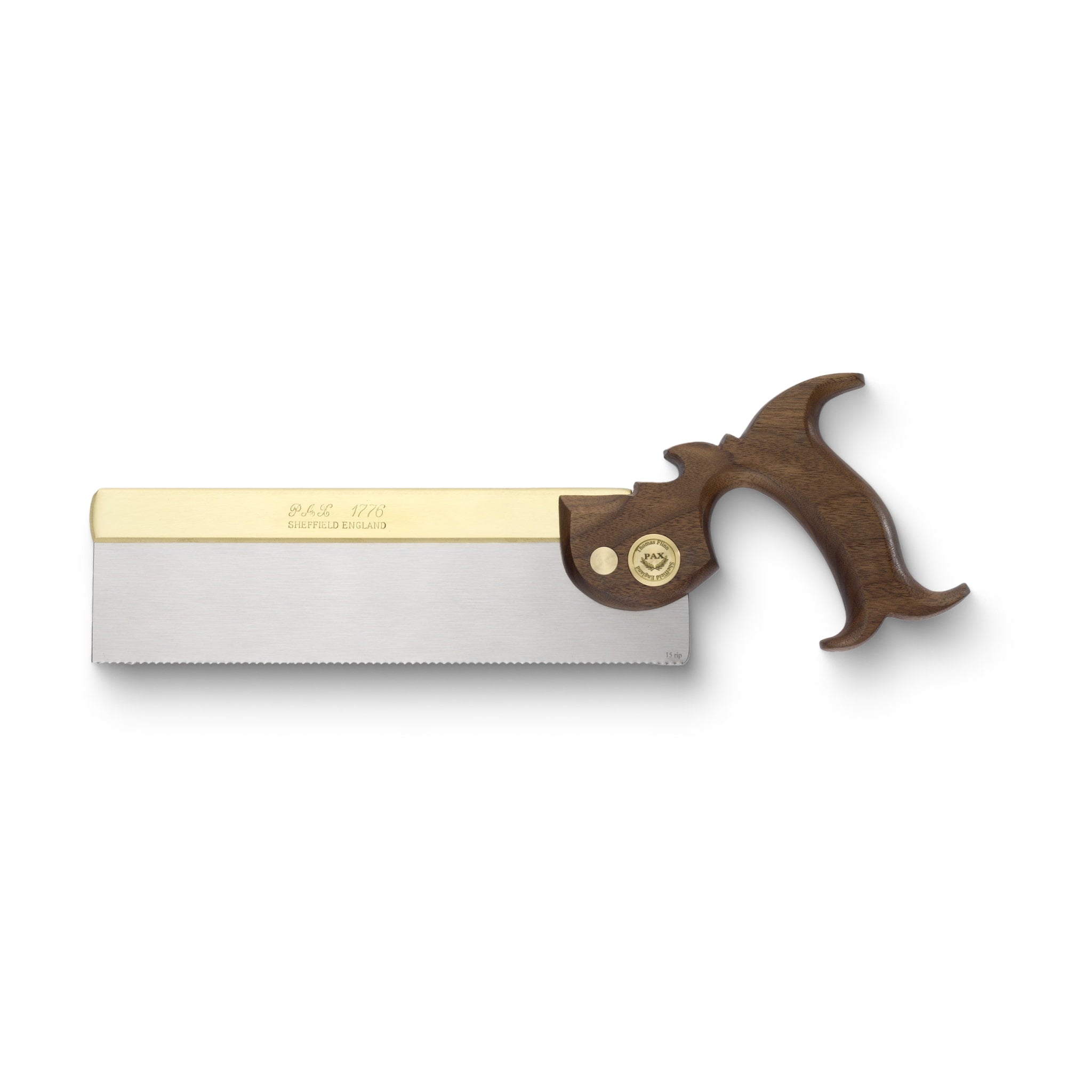
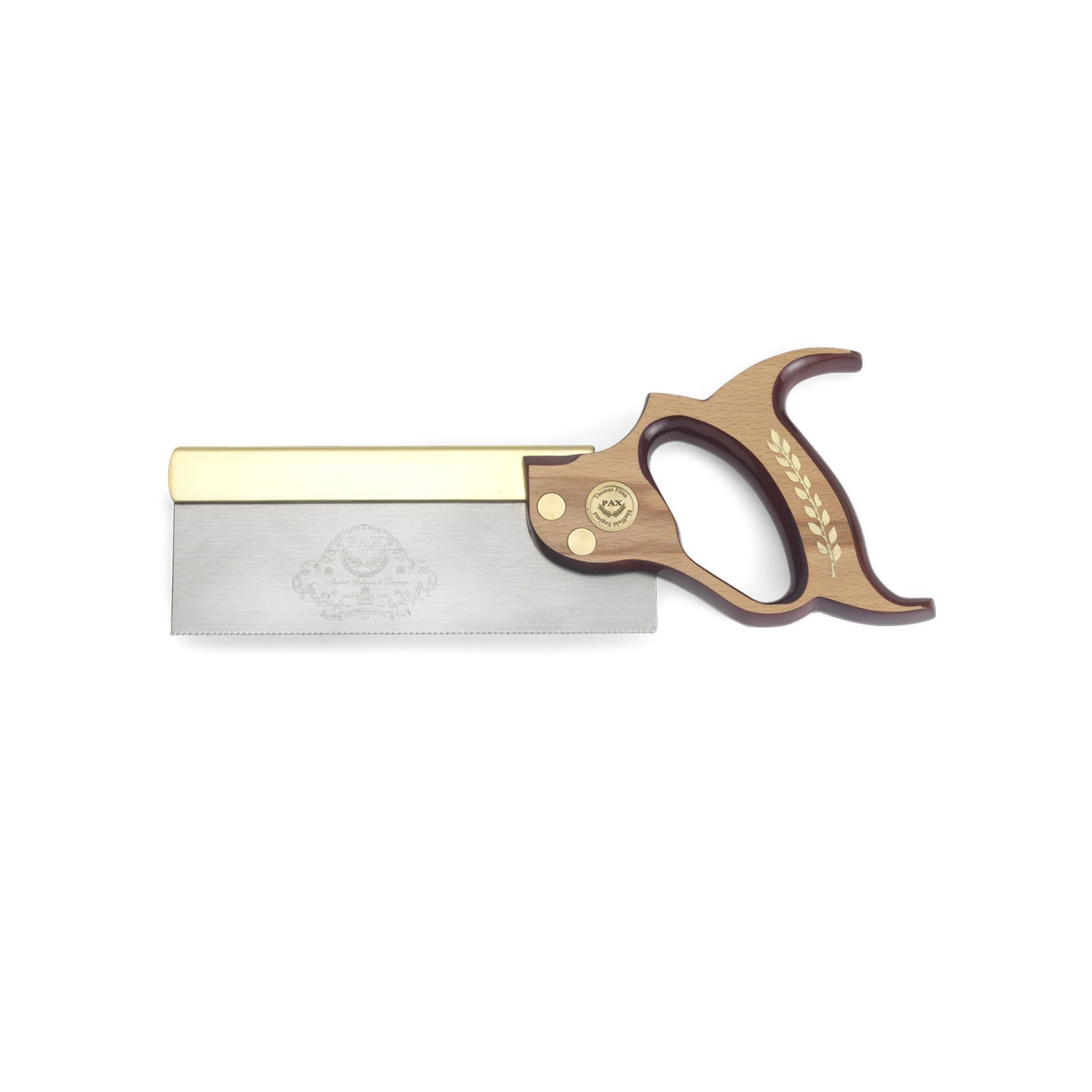
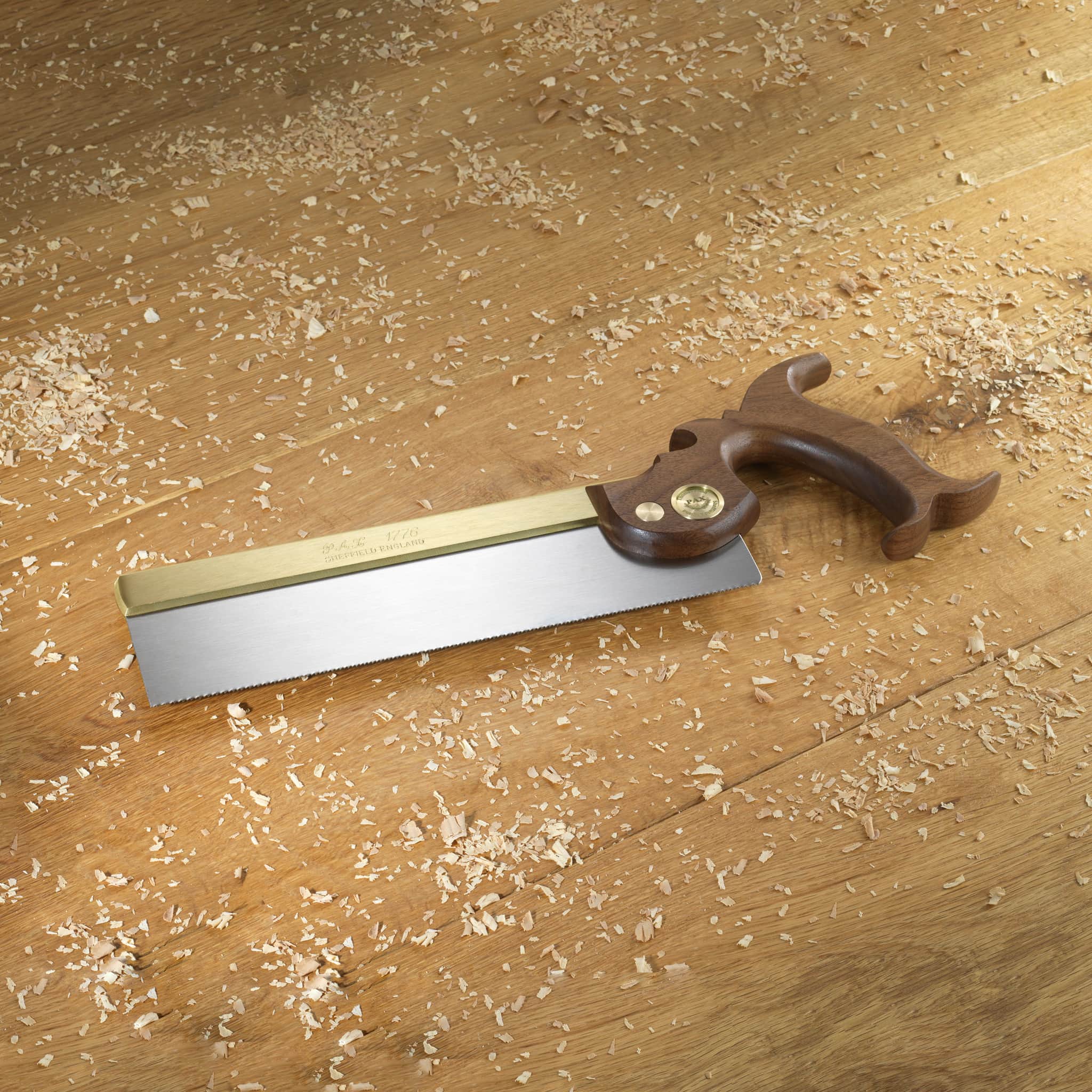
The fine saw
Fine-tooth saws are ideal for precise work where every millimeter counts. The saw blade is usually rectangular and is well stabilized by an attached guide. The handle of the saw is mounted at an angle to facilitate sawing along edges. The saw blade is relatively stiff and equipped with fine teeth.
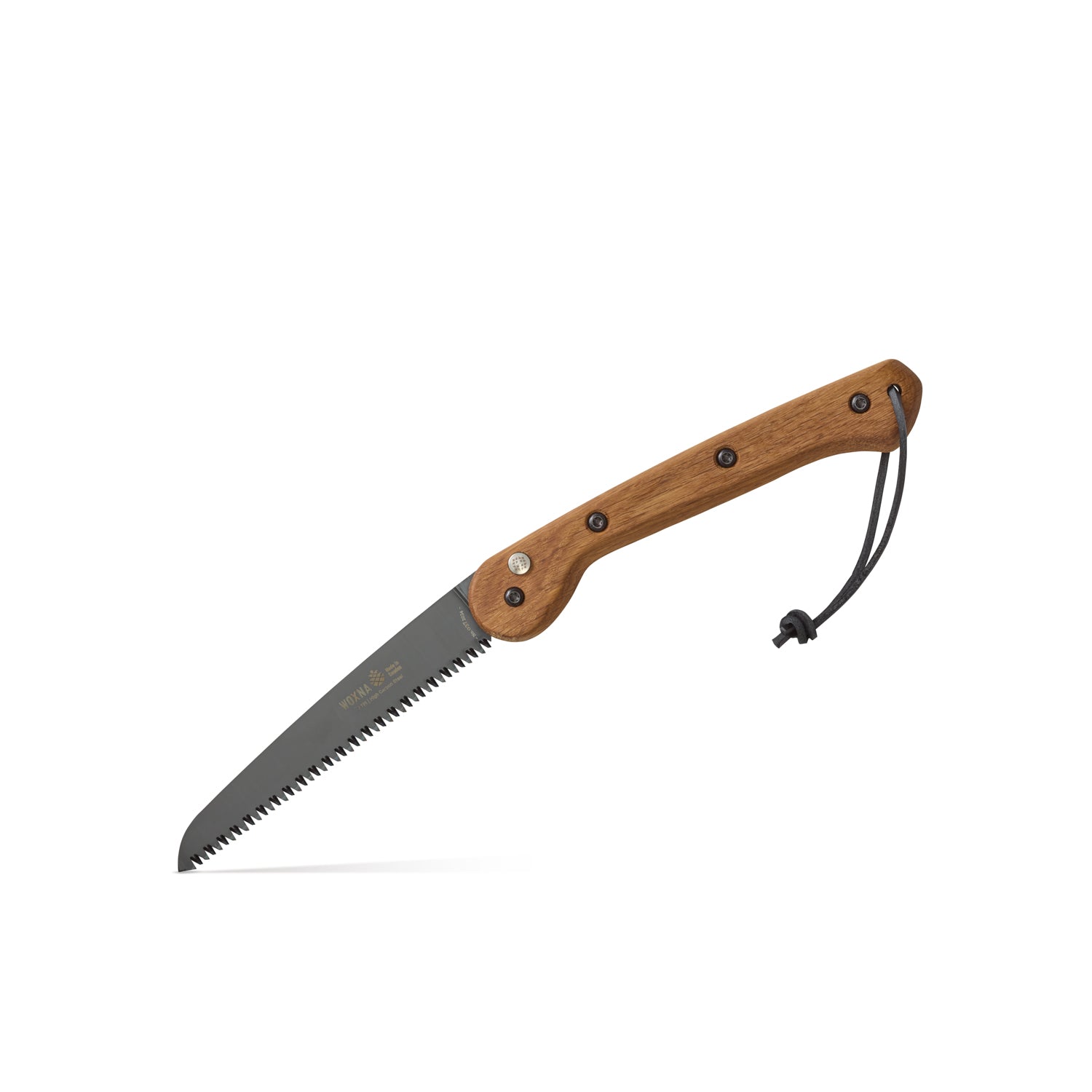
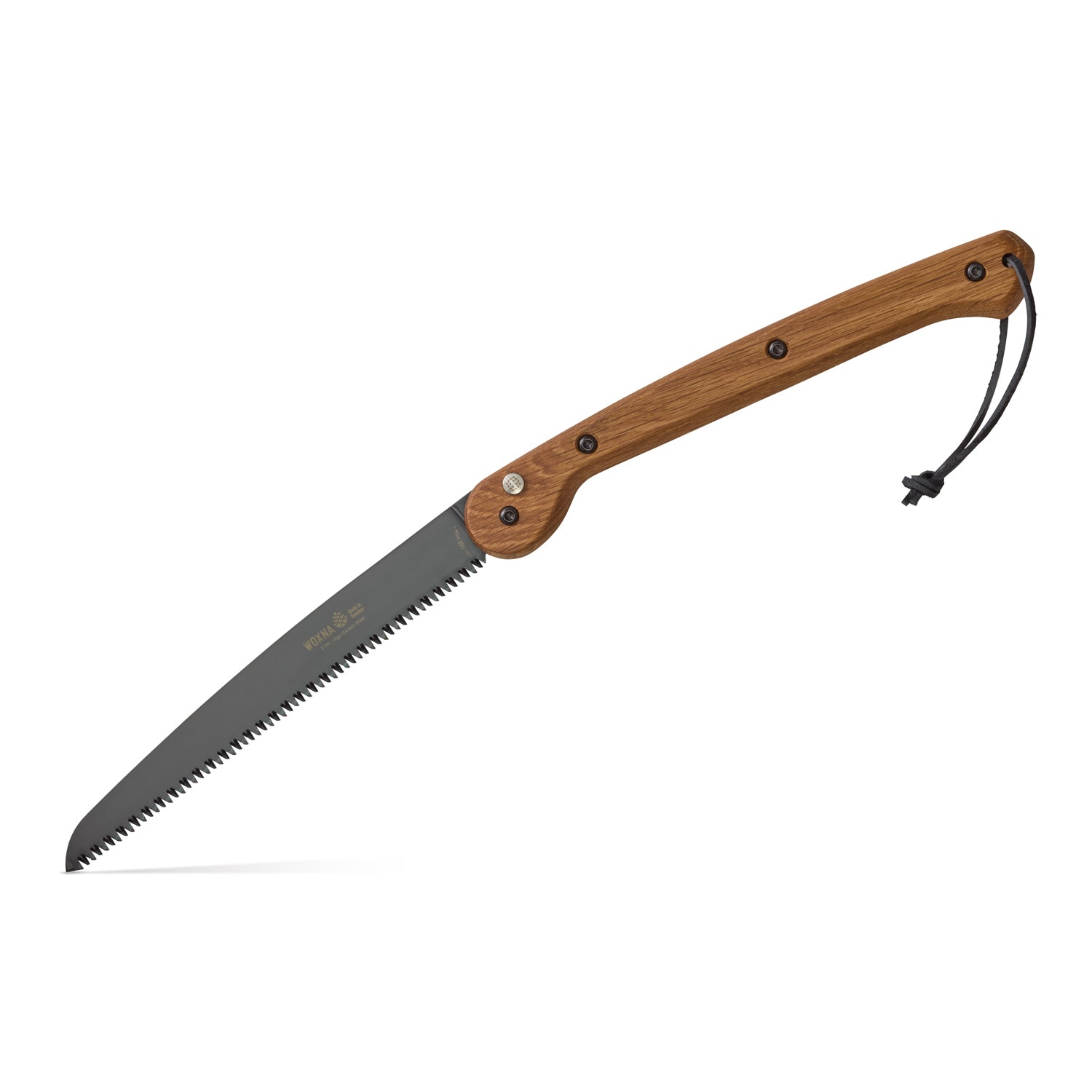
The folding saw
Folding saws are particularly popular with outdoor enthusiasts, bushcrafters, and even gardeners and landscapers. They can be easily folded into a handy format and conveniently taken anywhere.
The advantages of a handsaw
A handsaw offers many advantages that make it an indispensable tool for both hobbyists and professionals.
Independence from electricity and batteries:
Because hand saws are manually operated, they can be used anywhere—whether in the garden, in the forest, or on a construction site. They require neither electricity nor batteries, making them an essential tool, especially in outdoor areas.
Silent operation:
Unlike motor-driven saws, hand saws operate virtually silently. This makes them ideal for working in noise-sensitive environments, such as residential areas.
High security:
Manual operation gives you maximum control over the cut. This reduces the risk of accidents and allows for more precise work—especially with delicate materials or detailed work.
Flexibility:
Hand saws are ideal for fine work and sawing in hard-to-reach places and are therefore often the best choice.
The saw blade – what do I need to consider before buying?
Choosing the right saw blade is crucial for the quality of your cut and the efficiency of your work. Here are some important points to consider:
Perforation:
The tooth pitch of the saw blade determines the cutting quality. Fine teeth are ideal for fine and precise cuts, while coarse teeth are better suited for fast material removal. The tooth pitch is specified in TPI (teeth per inch).
Sheet width:
The width of the saw blade should always be slightly larger than the cut to avoid jamming during the sawing process. A wider cut ensures the blade can move freely without damaging the wood in any way.
Tooth position:
Many high-quality hand saws feature set teeth. This means the teeth are curved alternately to the right and left. This results in a wider cut, preventing the saw blade from jamming in the wood and making the sawing process easier for the user.
Conclusion:
The right handsaw and the right saw blade make all the difference – whether for rough woodwork or fine detail work. Want to learn more about saws? Then read more in ourBlog article about saws.